financegamepro.com
Every year, hundreds of thousands of students from every corner of the globe set their sights on American universities. The United States is home to some of the best-ranked institutions in the world, cutting-edge research facilities, and a diverse, multicultural learning environment that few other countries can match. But there’s a catch that keeps many bright, capable students on the sidelines: cost. Tuition fees, housing, health insurance, and living expenses can add up to tens of thousands of dollars a year, and even with financial aid packages and education loans, many families are left searching for a better way to fund a degree.
This is exactly where scholarship opportunities in the USA come in. Unlike student loans, which must eventually be repaid with interest, scholarships are essentially free money, rewarding academic excellence, leadership potential, community involvement, and financial need with funding that can cover anything from a small portion of tuition to a completely free ride, including flights, housing, and living stipends. Whether you’re a high school senior applying for your first undergraduate program, a working professional aiming for an MBA scholarship, or a researcher pursuing a fully funded PhD, there is very likely a program designed with you in mind.
In this guide, we’ll walk through the top scholarship programs available in the USA, why studying in America is worth the effort, the real financial and career benefits these awards offer, who qualifies, what documents you’ll need, how to apply step by step, key deadlines to track, how scholarships compare to student loans and other financial aid options, and insider tips that can meaningfully boost your chances of winning. By the end, you’ll have a clear roadmap for turning your American education dream into a funded reality, without taking on years of student debt.
List of Scholarships in USA
- Fulbright Foreign Student Program – A flagship US government scholarship offering full funding for graduate study, research, and teaching assignments to students from over 160 countries.
- The Gates Scholarship – A highly selective, full “last-dollar” award for outstanding high-achieving students from low-income backgrounds, covering the full cost of attendance.
- Hubert H. Humphrey Fellowship Program – A non-degree program for experienced professionals seeking a year of graduate study and leadership development in the US.
- Joint Japan/World Bank Graduate Scholarship Program – Funds master’s study in development-related fields, including business, finance, and public policy, for applicants from World Bank member developing countries.
- AAUW International Fellowships – Awarded by the American Association of University Women to women pursuing full-time graduate or postdoctoral study in the US.
- Rotary Peace Fellowships – Fully funded master’s or professional development certificate programs at designated Rotary Peace Centers for future leaders in peace and conflict resolution.
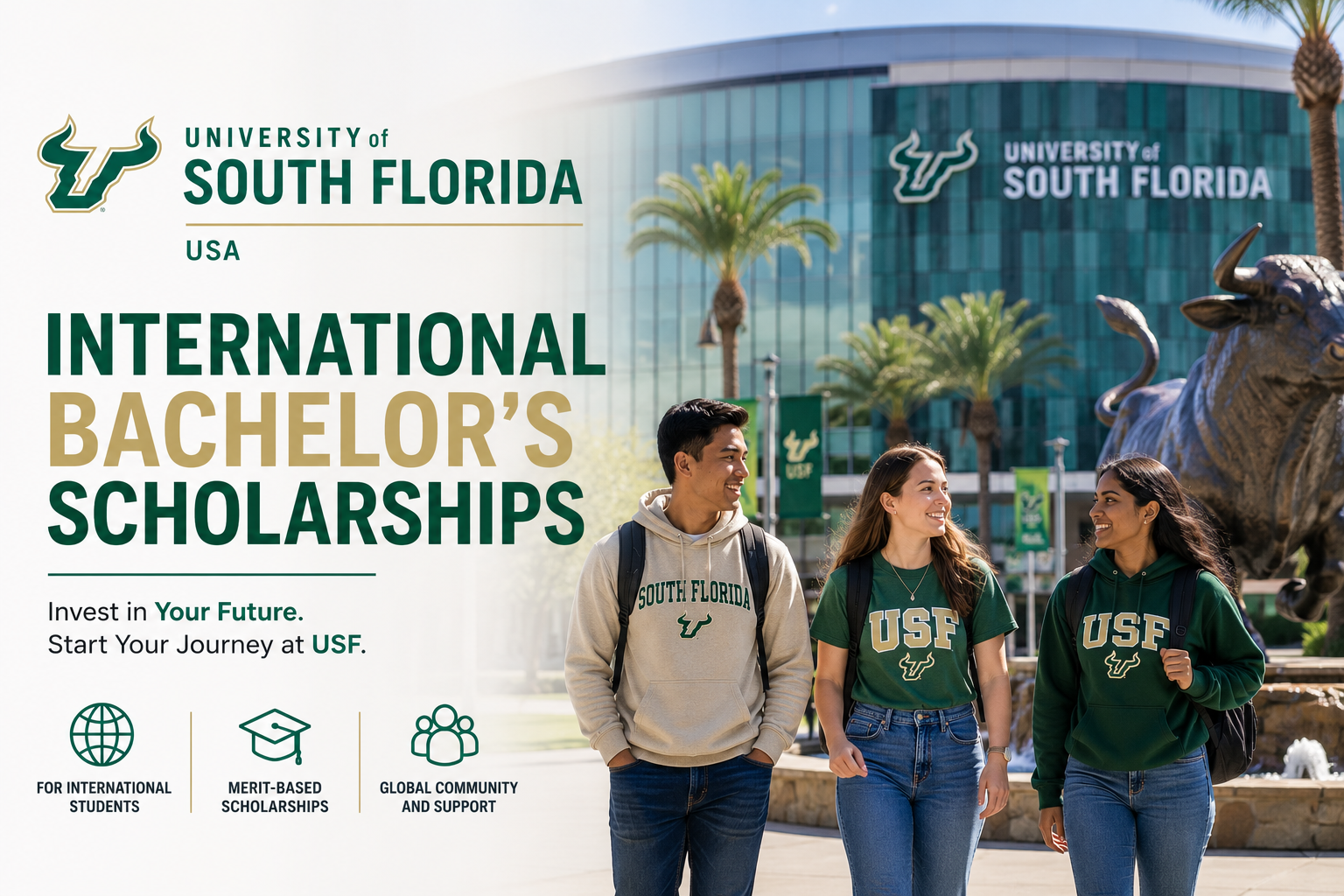
- American University Emerging Global Leader Scholarship (EGLS) – Covers full tuition, room, and board for outstanding undergraduate international students.
- Harvard University Need-Based Scholarships – Harvard commits to meeting 100% of demonstrated financial need for admitted students, regardless of nationality, often eliminating the need for private student loans entirely.
- Yale University International Financial Aid – Similar to Harvard’s model, Yale offers need-blind admissions and generous aid packages for international undergraduates.
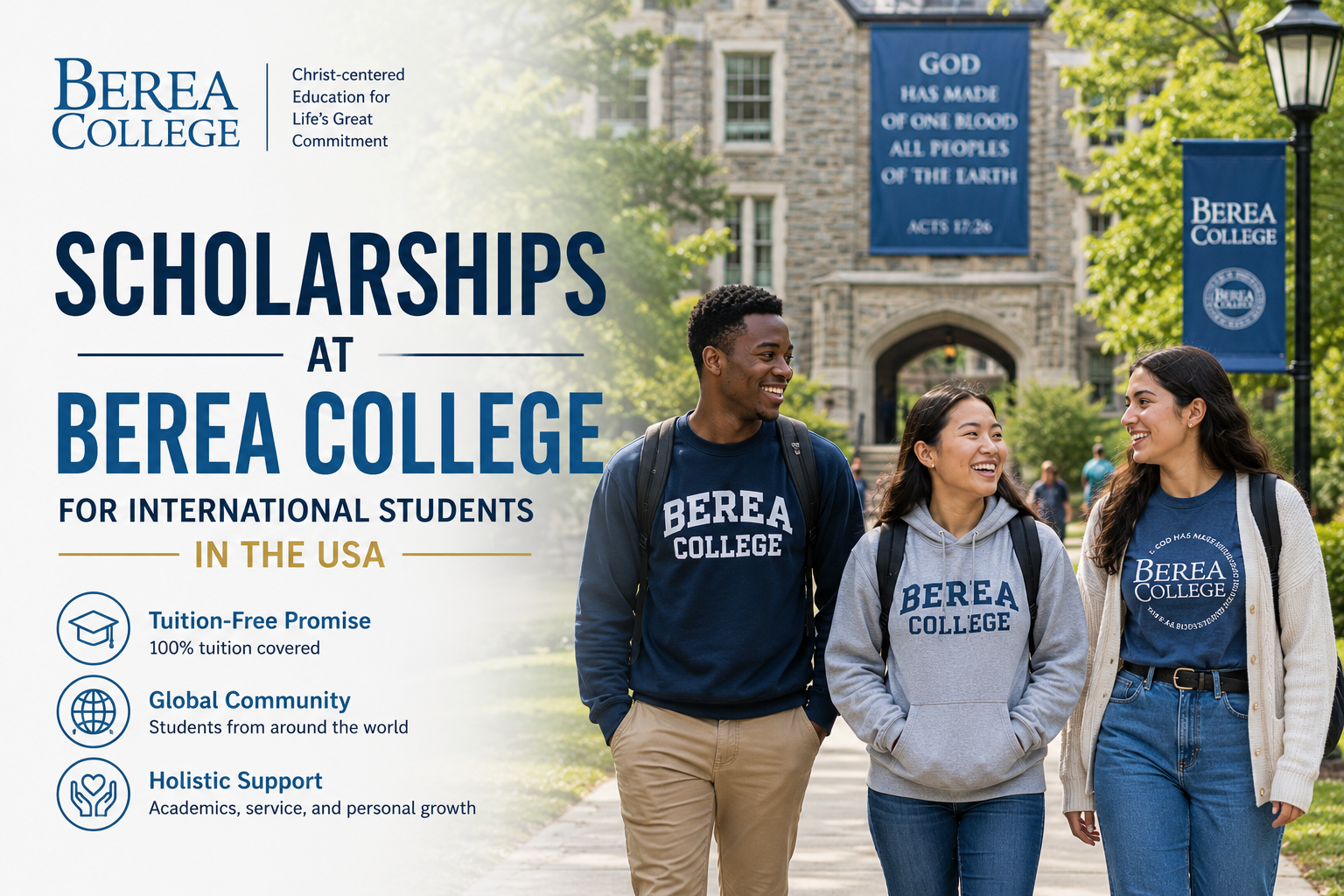
- Berea College Tuition Promise Scholarship – Every admitted student, including international applicants, receives a scholarship that covers full tuition.
- ADB-Japan Scholarship Program – Supports graduate study in economics, business administration, finance, science, and technology for students from Asian Development Bank member countries.
- Clark Global Scholars Program – A merit-based full-tuition scholarship for outstanding international undergraduate students at Clark University.
About These Scholarships: Why the USA Is Worth the Effort
Each of these scholarships reflects a different philosophy of investment. Government-backed programs like Fulbright and the Humphrey Fellowship exist to build cultural and diplomatic bridges, sending accomplished individuals to the US and, eventually, back to their home countries as informed global leaders. University-funded scholarships, such as those at Harvard, Yale, and Berea, exist because top institutions compete fiercely for the most talented students worldwide and are willing to remove financial barriers, sometimes even replacing the need for education loans altogether, to attract them. Meanwhile, need-based and merit-based awards from organizations like AAUW and Rotary aim to widen access to graduate education for groups historically underrepresented in advanced degree programs, including online degree and hybrid-format programs that have grown rapidly in recent years.
So why is pursuing a US scholarship worth the considerable effort involved? First, American universities consistently rank among the best in the world across nearly every discipline, from engineering to business administration to the humanities. Second, a scholarship isn’t just free tuition, it’s often an entry ticket into elite academic and professional networks that last a lifetime, networks that can directly translate into higher starting salaries and stronger long-term earning potential. Third, the US higher education system emphasizes flexibility, interdisciplinary learning, and research opportunities that many other countries simply don’t offer at the same scale. Finally, many of these programs are explicitly designed to develop future leaders, meaning scholars gain access to mentorship, workshops, and alumni communities that extend far beyond the classroom, and often beyond graduation into career placement and even startup funding networks.
Benefits of USA Scholarships
Scholarships do more than pay tuition bills. Depending on the program, benefits typically include:
- Full or partial tuition coverage, sometimes for the entire duration of the degree, reducing or eliminating dependence on private student loans
- Living stipends to cover housing, food, and daily expenses
- Travel and airfare reimbursement for international students relocating to the US
- Health insurance coverage during the study period
- Access to mentorship and professional networks, including alumni associations and corporate recruiting pipelines
- Enhanced employability, since scholarship recipients are often viewed favorably by employers and graduate schools alike
- Reduced financial stress, allowing students to focus fully on academics rather than part-time work or loan repayment planning
- Long-term financial advantage, since avoiding student debt means graduates can start saving, investing, or pursuing further education (such as an MBA or law degree) sooner
- Cultural exchange experience, building cross-cultural communication and leadership skills valued in global finance, consulting, and technology careers
Eligibility Criteria
Eligibility requirements vary between programs, but most scholarships assess candidates across the following categories:
Academic Requirements
Most scholarships require a strong academic record, typically a minimum GPA (often 3.0 or higher on a 4.0 scale), completion of a specific degree level (high school diploma, bachelor’s degree, etc.), and sometimes standardized test scores such as the SAT, GRE, or GMAT, particularly for MBA and other graduate business scholarships.
Nationality and Residency
Many programs are open to students from specific countries or regions (for example, the ADB-Japan Scholarship is limited to citizens of ADB member countries), while others, like Harvard’s need-based financial aid, are open globally regardless of nationality.
Professional Experience
Fellowship-style programs like the Hubert H. Humphrey Fellowship, and most MBA scholarships, typically require several years of relevant professional or leadership experience, since they target mid-career professionals rather than fresh graduates.
Age
Some scholarships set age limits, particularly those aimed at early-career professionals or recent high school graduates, though many graduate-level scholarships have no strict age cap.
English Language Proficiency
Since instruction is in English, most programs require proof of proficiency through TOEFL or IELTS scores, unless the applicant’s prior education was conducted entirely in English.
Other Common Requirements
Additional criteria often include demonstrated financial need (sometimes verified through the same documentation used for financial aid or education loan applications), letters of recommendation, a clean disciplinary and legal record, a compelling personal statement, and, for some awards, a commitment to return to one’s home country after completing the program.
Required Documents Checklist
Before you start any application, gather these commonly requested documents:
- Completed application form (usually submitted online)
- Academic transcripts and certificates
- Valid passport copy
- English proficiency test scores (TOEFL/IELTS)
- Standardized test scores (SAT/GRE/GMAT, if required)
- Two to three letters of recommendation
- Statement of purpose or personal essay
- Updated resume or CV
- Proof of financial need or existing financial aid status (for need-based awards)
- Passport-sized photographs
- Proof of admission or acceptance letter (for some scholarships)
- Bank statements or financial documentation, especially if you plan to supplement the scholarship with a private student loan
- Medical/health certificate (occasionally required)
How to Apply: Step-by-Step Process
- Research thoroughly. Identify scholarships that match your academic level, field of study, and nationality.
- Check eligibility carefully. Confirm you meet every listed requirement before investing time in an application.
- Choose your target universities or programs, since many scholarships require or prefer an existing admission offer.
- Prepare your documents early, especially transcripts, recommendation letters, and test scores, which can take weeks to arrange.
- Compare financial aid and loan options in parallel. Even strong scholarship candidates should research backup financing, such as federal or private student loans, in case the award only covers partial costs.
- Write a strong personal statement that tells a genuine, specific story about your goals and why you deserve the award.
- Request recommendation letters from professors or supervisors who know your work well, giving them ample lead time.
- Complete the online application carefully, double-checking every field before submission.
- Submit before the deadline, ideally a few days early to avoid technical issues.
- Prepare for interviews, if shortlisted, by researching the organization and practicing common questions.
- Follow up professionally if you haven’t heard back within the stated time frame.
Application Deadlines
Deadlines vary widely by program and intake cycle, so it’s essential to check each scholarship’s official website directly. As a general pattern:
- Fulbright Program: Deadlines typically fall between February and October, depending on the applicant’s home country.
- Gates Scholarship: Usually opens in the fall, with a mid-September deadline for high school seniors.
- University-specific scholarships (Harvard, Yale, Berea, Clark, American University): Generally tied to the regular undergraduate or graduate admissions deadlines, often in December or January for fall intake.
- MBA and graduate business scholarships: Frequently tied to round-based business school admissions cycles, with Round 1 deadlines often falling in September or October and Round 2 in January.
- Rotary Peace Fellowships: Applications usually open in the spring, roughly a year before the program start date.
Because deadlines shift from year to year, always verify current dates on the official scholarship or university website rather than relying solely on secondary sources. It’s also wise to check financial aid and student loan application windows at the same time, since some institutions require FAFSA or CSS Profile submissions on a fixed annual schedule regardless of scholarship status.
Tips to Increase Your Chances of Winning
- Apply early and to multiple programs. Casting a wider net, including smaller institutional scholarships alongside major national awards, significantly improves your odds.
- Tailor every application. Avoid generic essays; speak directly to what each specific scholarship values.
- Highlight leadership and community impact, not just grades, since most committees look for well-rounded candidates.
- Get feedback on your essays from mentors, teachers, or writing centers before submitting.
- Start test preparation early for TOEFL, IELTS, SAT, GRE, or GMAT to secure competitive scores, especially for MBA scholarship applications where GMAT scores carry significant weight.
- Choose recommenders who know you well, not just those with impressive titles.
- Be authentic. Reviewers read thousands of applications and can spot generic or exaggerated claims quickly.
- Proofread meticulously. Small errors can undermine an otherwise strong application.
- Demonstrate financial need clearly, if applicable, with accurate and complete documentation, similar to what you’d prepare for a financial aid or student loan application.
- Practice for interviews if your target scholarship includes one, focusing on clarity and genuine motivation.
- Have a financial backup plan. Research education loan and refinancing options in advance, so a partial scholarship doesn’t derail your enrollment plans.
FAQs
Q1: Can I apply for more than one scholarship at a time?
Yes, in most cases you can apply to multiple scholarships simultaneously, and doing so is generally recommended to increase your chances of securing funding.
Q2: Do I need to be admitted to a US university before applying for a scholarship?
It depends on the program. Some scholarships, like Fulbright, guide you through the university placement process, while others require an existing admission offer first.
Q3: Are scholarships available for both undergraduate and graduate students?
Yes, there are dedicated scholarships for high school seniors entering undergraduate programs as well as separate awards for master’s, MBA, and PhD candidates.
Q4: Is a high GPA the only factor that matters?
No. While academic performance matters, most committees also weigh leadership, community involvement, essays, and financial need heavily.
Q5: How long does the scholarship application process usually take?
From research to final submission, expect the process to take anywhere from two to six months, depending on how many documents and tests are required.
Q6: Can I get a full scholarship that covers all my expenses?
Yes, several programs, including Fulbright, the Gates Scholarship, and Berea College’s Tuition Promise, offer full or near-full funding covering tuition, living costs, and sometimes travel.
Q7: What if my scholarship doesn’t cover all my expenses?
Many students combine a partial scholarship with federal or private student loans, university financial aid packages, or part-time on-campus work to cover the remaining cost of attendance.
Q8: Are scholarships better than taking out student loans?
Generally yes, since scholarships don’t need to be repaid, unlike loans which accrue interest over time. However, comparing total costs, interest rates, and repayment terms is worthwhile if a loan becomes necessary to bridge any funding gap.
Conclusion
Scholarship opportunities in the USA open doors that might otherwise stay firmly shut for talented students around the world. From government-backed programs like Fulbright to university-funded awards at Harvard and Berea College, there’s a genuine path forward for students at every academic level and financial background, often without the long-term burden of student loans. Success in this process comes down to careful research, early preparation, a compelling and authentic application, and persistence in the face of competition. Start early, apply widely, keep a realistic financial aid backup plan in mind, and put real effort into every essay and document you submit. With the right approach, a fully or partially funded US education isn’t just a dream, it’s an achievable goal.
 financegamepro.com